Roaming Photobooth NYC: 2026's Cocktail Hour Fix for Weddings
Why Cocktail Hour Is the Room Where Roaming Actually Wins
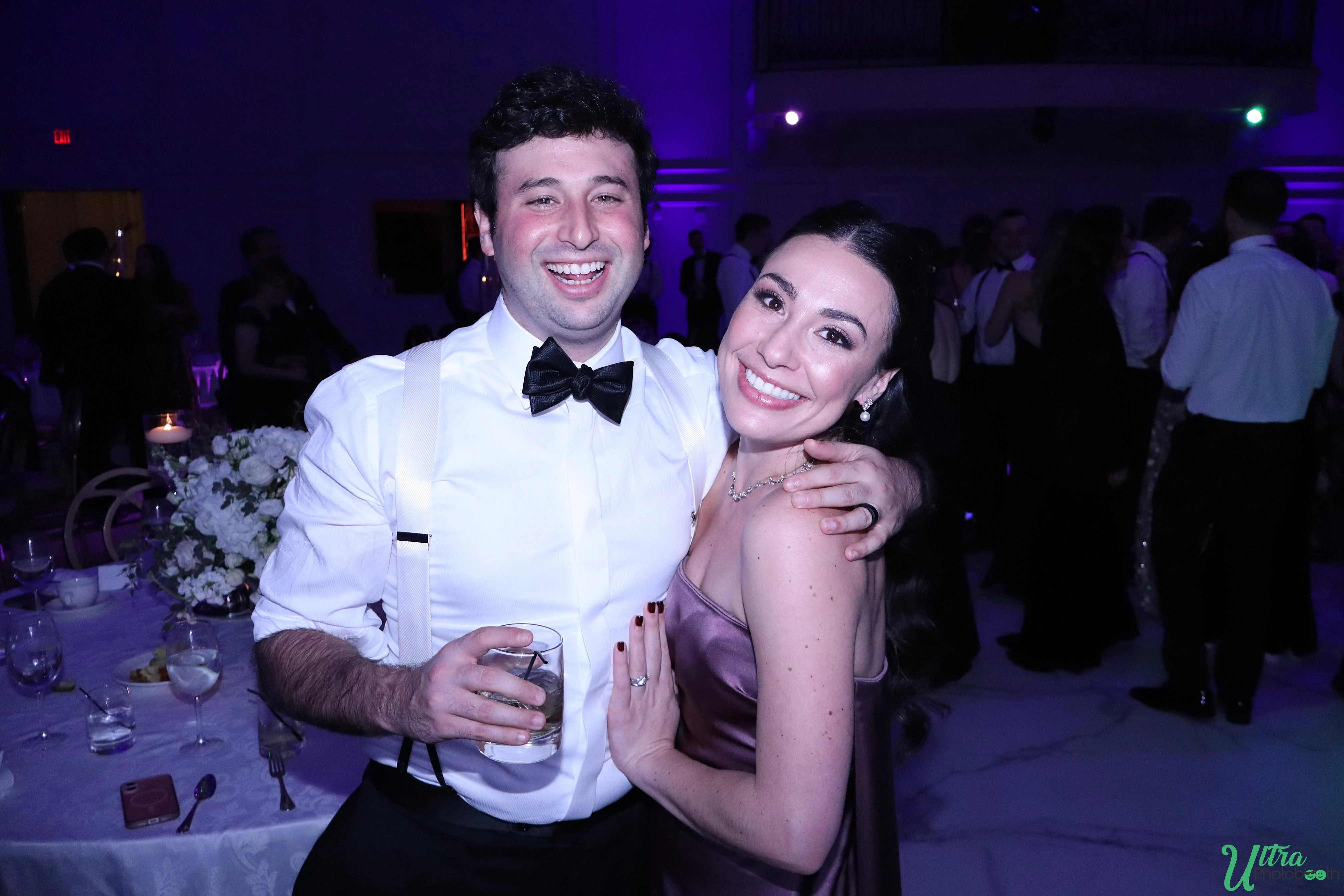
Ask any wedding planner in New Jersey or Manhattan what the trickiest 60 minutes of the night are, and you'll get the same answer: cocktail hour. The ceremony just ended, the couple is off doing family formals with the photographer, and 150 guests are holding drinks in a room that hasn't quite decided what it wants to be yet. That stretch is exactly where a roaming photobooth NYC couples keep asking us about earns its keep — the host circulates, catches guests before the room settles, and delivers photos to phones before the reception doors even open.
We've run enough weddings from Hoboken rooftops to Princeton country clubs to say this plainly: cocktail hour is under-programmed at almost every wedding. A roaming photobooth rental NJ planners bring in for that window solves the "what do I do with my hands" problem without adding a line, a footprint, or a queue that runs through the bar.
How Does a Roaming Photobooth Work at a Wedding?
A roaming setup is a handheld camera rig — usually a mirrorless body wrapped in a soft ring light, paired with an iPad and a cellular hotspot — carried by a trained host who walks the room. Guests don't come to the booth. The booth comes to them.
Photos go two places at once:
- To the guest's phone via text, usually within 30 seconds
- To a private gallery the couple gets after the event
There's no printer to jam, no backdrop to fall over, and no 8-by-8-foot square to negotiate with the venue coordinator. That last part matters more than people realize in Manhattan lofts and Brooklyn industrial spaces where every square foot is already spoken for.
The Cocktail Hour Timeline That Actually Works
Here's the sequence we run at most Northeast weddings. Adjust for your ceremony time, but the structure holds:
- Ceremony ends (T-0). The officiant announces cocktail hour location. Guests file out.
- T+5 minutes. The roaming host starts near the bar entrance. The first 20 minutes are the biggest opportunity — guests are fresh, drinks are full, hair still looks like it did in the ceremony photos.
- T+15. Host works the cocktail zones: hors d'oeuvre stations, lounge furniture, any signature drink display. This is where grandparents and older relatives get photographed, because they won't be on the dance floor later.
- T+30. Overlap with family formals. If the couple is doing portraits nearby, the roamer can catch the wedding party in between setups — those in-between shots are often the ones the couple ends up printing.
- T+45. Host follows guests as they migrate toward the reception space. Table-finding time is a sneaky-good photo window because everyone's in motion but not yet seated.
- T+60 to +75. Optional hand-off into dinner. Some couples add a second hour during dessert or first dances; others cap it here.
Six deployed hours across cocktail, dinner, and dancing is common on a full-day wedding package. Two focused hours around cocktail is common for smaller receptions.
What Kind of Venues Get the Most Out of a Roaming Setup?
Not every room needs a roamer, but a lot of the venues we work across the Northeast basically require one:
- Manhattan lofts and downtown restaurants where a stationary booth would eat the dance floor
- Brooklyn warehouse and industrial venues with long ceiling spans but awkward floor layouts
- Jersey City and Hoboken rooftops with tight elevator logistics and no room for a heavy setup
- Princeton and Edison estates with multiple rooms — a tented lawn plus a ballroom, for example, that a stationary booth can't cover
- Cherry Hill and Philadelphia hotel ballrooms where cocktail hour and the reception are in different rooms entirely
If your venue coordinator has said the phrase "we don't really have a spot for a booth" — that is a roaming photobooth conversation.
Roaming vs. Stationary During Cocktail Hour
Both formats work at weddings. Here's how we usually frame the choice with couples:
- Stationary and glam booths shine when guests are seated, drinks in hand, and the reception is stable. Post-dinner and during dancing is their prime time.
- Roaming shines during transitions — cocktail hour, room flips, the walk from ceremony to reception, the last 30 minutes before send-off.
- Combining both is the move for larger weddings (200+ guests) or two-location events. Roaming during cocktail, stationary during reception.
At a recent Edison wedding we worked, the couple booked roaming for cocktail hour and a glam booth for after dinner. The roaming host photographed most of the 175-person guest list before the salads hit the table. The glam booth then ran for three hours during dancing. Different tools, different windows.
Insider Tips We've Learned Running Northeast Weddings
A few things that only come from doing this hundreds of times:
- Tell your DJ or bandleader about the roamer. A quick shout during dinner ("if you haven't gotten a photo yet, find our host in the black shirt") noticeably lifts engagement in the second hour.
- Skip the roaming booth during the first dance and toasts. Guests want to watch, not pose. We hold back, then pick up right after.
- Confetti and pyro props get banned at some Manhattan and Jersey City venues — check with your coordinator before adding effects. A roaming host can build the same energy with slow-motion clips instead.
- Ask the roamer to photograph the details, too. Escort cards, table numbers, the cake — you'll want them, and the wedding photographer is usually still doing portraits.
- Set a clear phone-number-collection method. Guests missing the text delivery is the number-one avoidable complaint. A small QR at each cocktail table fixes it.
Does This Replace the Wedding Photographer?
No — a roaming photobooth doesn't replace your wedding photographer. Different job, different output. Your photographer captures portraits, the couple's private moments, and the artful stuff you'll frame. A roaming host captures the guests-in-motion, phone-first, share-tonight moments that most photographers aren't chasing. The two coexist and they don't compete. This also holds outside weddings: corporate events, mitzvahs, sweet sixteens, brand activations, and proms all get the same double-coverage benefit when the timelines are tight.
Booking for 2026
Peak Saturdays in May, June, September, and October across New Jersey and NYC are already filling up for 2026, and Philadelphia fall dates aren't far behind. If a roaming photobooth is on your shortlist for a wedding, corporate event, mitzvah, or milestone party this year, the earlier you lock a date, the better your window. Tell us your venue, your guest count, and what your cocktail hour is looking like — we'll build the coverage around that. Request a quote when you're ready and we'll walk you through the timing, the setup, and exactly how the roamer will fit your specific room.
Planning an event?
Explore the services this article covers: