360 Video Booth Rental NJ: 6 Trends Defining 2026 Events
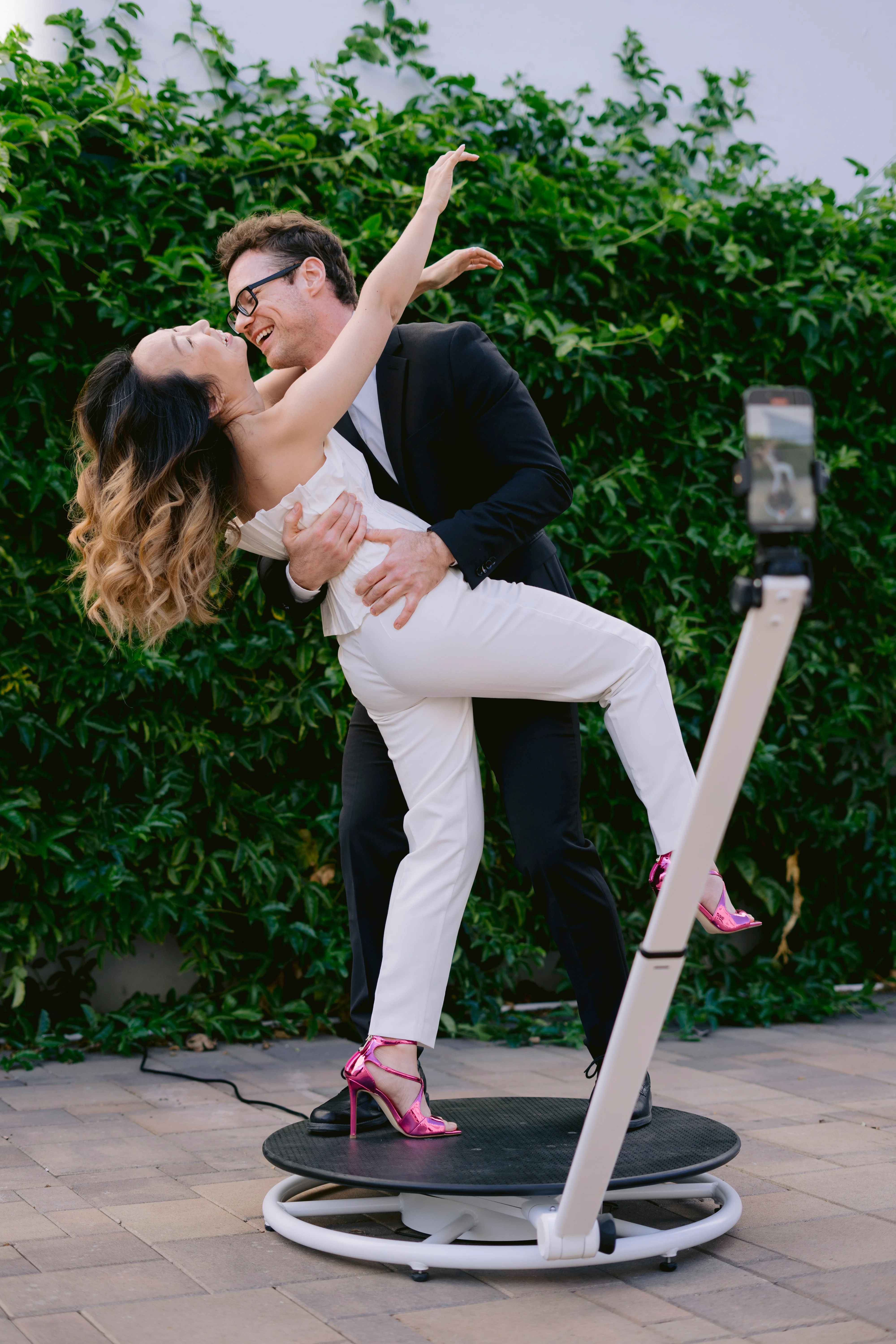
We've spent the last three months installing 360 video booths at weddings in Princeton, brand activations in Manhattan, and corporate dinners in Jersey City — and the requests look completely different from what couples and planners were asking for two years ago. The 360 video booth rental NJ market in 2026 is no longer just "the thing that spins." Guests have phones full of slow-motion clips, planners want output that drops straight into a Reels grid, and marketing teams want their logo baked into every export before the file even leaves the venue.
This piece walks through the six 360 trends our team is actually fielding bookings for this season, what the setup looks like at a typical Northeast venue, and a few things we tell every planner before contracts get signed.
What is a 360 video booth, and why is it everywhere in 2026?
A 360 video booth is a low platform — about 2 to 3 feet tall — with a high-frame-rate camera mounted on a robotic arm that orbits the platform while filming. Guests step on, the arm sweeps around them in roughly 8 to 12 seconds, and the resulting clip is processed into a slow-motion vertical video they can airdrop or text to themselves before they're back on the dance floor.
The reason it has spread from clubs and product launches into weddings, mitzvahs, sweet sixteens, and proms across NYC and Philadelphia is simple: 360 video booth rental NJ inquiries pivoted hard during the Reels and TikTok era. Couples and corporate planners aren't booking a souvenir anymore — they're booking content. A traditional photobooth gives you a print on a fridge. A 360 gives you fifty guest-shot reels that hashtag back to your event the same night.
How much space does a 360 video booth need at an NJ or NYC venue?
This is the first question we get from venue coordinators in Hoboken and Brooklyn, and it matters more than couples expect. Plan for:
- An 8×8 foot floor footprint at minimum for the platform itself, with a 10×10 working area to give the arm clean clearance.
- Roughly 8 feet of vertical clearance. Lower drop ceilings in some Manhattan loft venues will fight you here.
- One dedicated 15-amp circuit within 25 feet — sharing power with the DJ rig is how you end up troubleshooting brownouts at 9:30 p.m.
- A flat, level surface. Rolling pre-function spaces and old wood floors at historic Princeton venues will telegraph wobble straight into the slow-motion clip.
If your venue can hold a six-top dinner table, it can hold a 360 booth. If you've only got a corner with a server station behind it, ask before promising guests the experience.
6 trends defining 2026 360 booth bookings
Here is what our trained on-site hosts are actually being asked for this year, ranked by how often the request comes up:
- Vertical-first export, no exceptions. Two years ago we still cropped horizontal masters down for social. In 2026, every clip is captured and rendered native 9:16. Square crops are gone.
- Variable slow-motion ramps instead of one fixed speed. The cinematic look right now is a clip that opens at real-time, ramps into 240 fps slow-mo for the middle, and snaps back. Couples copying TikTok wedding edits expect this baked in.
- AI-assisted captions and templates. Corporate clients want every guest export to drop with their logo, event hashtag, and a generated caption already on it. We pre-load templates for brand activations the week before so guests aren't waiting.
- Music-synced edits. Licensed audio packages — chosen by the couple or the brand — are now selected at the contract stage, not the day of. The clip beat-matches automatically.
- Branded LED ring overlays for corporate events. A subtle ring of color around the platform LED, color-matched to the brand, pulls the booth into the décor instead of leaving it floating in the room.
- Shorter clips that perform better. An 8-second clip out-shares a 20-second one by a wide margin in our internal numbers. We default to 8 to 12 seconds now and only stretch on request.
Where the 360 booth fits in your event timeline
Placement is the difference between a booth with a line all night and one that goes cold by hour two. From running these across mitzvahs in Edison, weddings in Cherry Hill, and sweet sixteens in Philadelphia, here is what works:
- Cocktail hour and post-dinner, never during the seated meal. Guests up on their feet with a drink are the right energy for the camera.
- Near the dance floor, but not on it. Close enough that energy carries; far enough that the arm has clearance.
- Out of direct DJ uplighting. Magenta wash makes everyone look like they have a sunburn in slow-motion playback.
- Inside a clear sightline from the entrance. Guests need to see it on the way in or they forget it's there.
Insider tips from running these in Manhattan, Hoboken, and Princeton
Two things we tell every planner that don't show up in most rental brochures.
First, decide who is sending the clips before the night starts. The default is each guest scans a QR and gets their own clip — fine for weddings and proms. For a brand activation, you usually want the host to capture an email at the platform and send the clip from a branded sender so it lands in inboxes the next morning with proper attribution. That decision changes how we configure the kiosk.
Second, run a "boring guest" test in setup. Have one of the venue staff stand on the platform in normal clothing and review the clip on a phone screen. If the lighting flatters someone in a black uniform, it will flatter every guest. If it doesn't, we adjust the ring before doors open — not after the bride is on the platform.
Booking your 360 video booth for 2026
Late spring and summer 2026 dates across NJ, NYC, and Philadelphia are filling fast — May and June Saturdays for weddings, late spring for proms, and Q4 for corporate holiday parties. If you're weighing a 360 video booth rental NJ for an event between now and the fall, request a quote with your venue and date and we'll confirm whether your space supports the setup before anything is signed. We've run hundreds of these across Manhattan, Brooklyn, Jersey City, Hoboken, Edison, Princeton, and Cherry Hill — and the answer to "will it work in my room?" is usually yes, but it's the kind of yes worth checking before the contract.
Planning an event?
Explore the services this article covers: